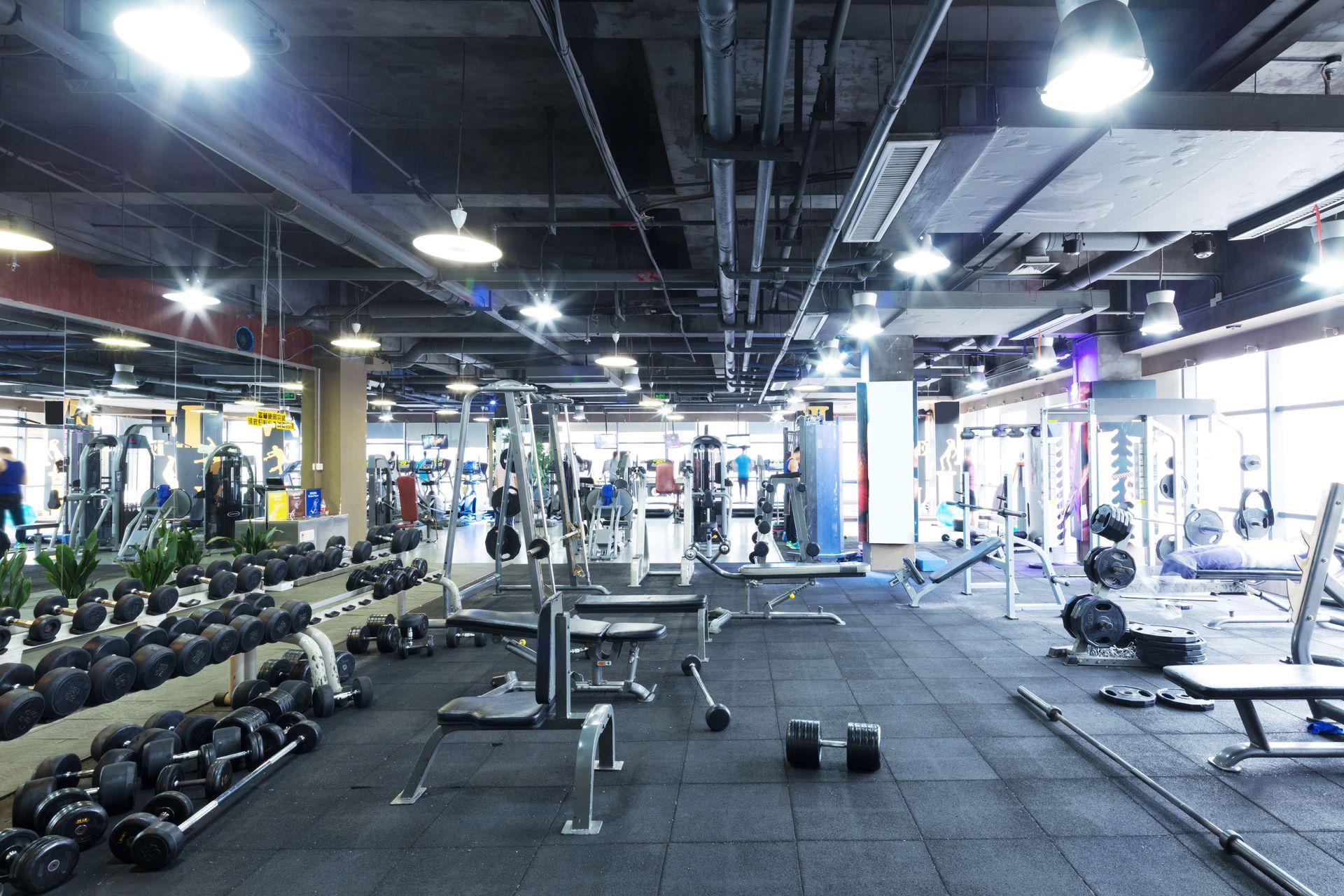
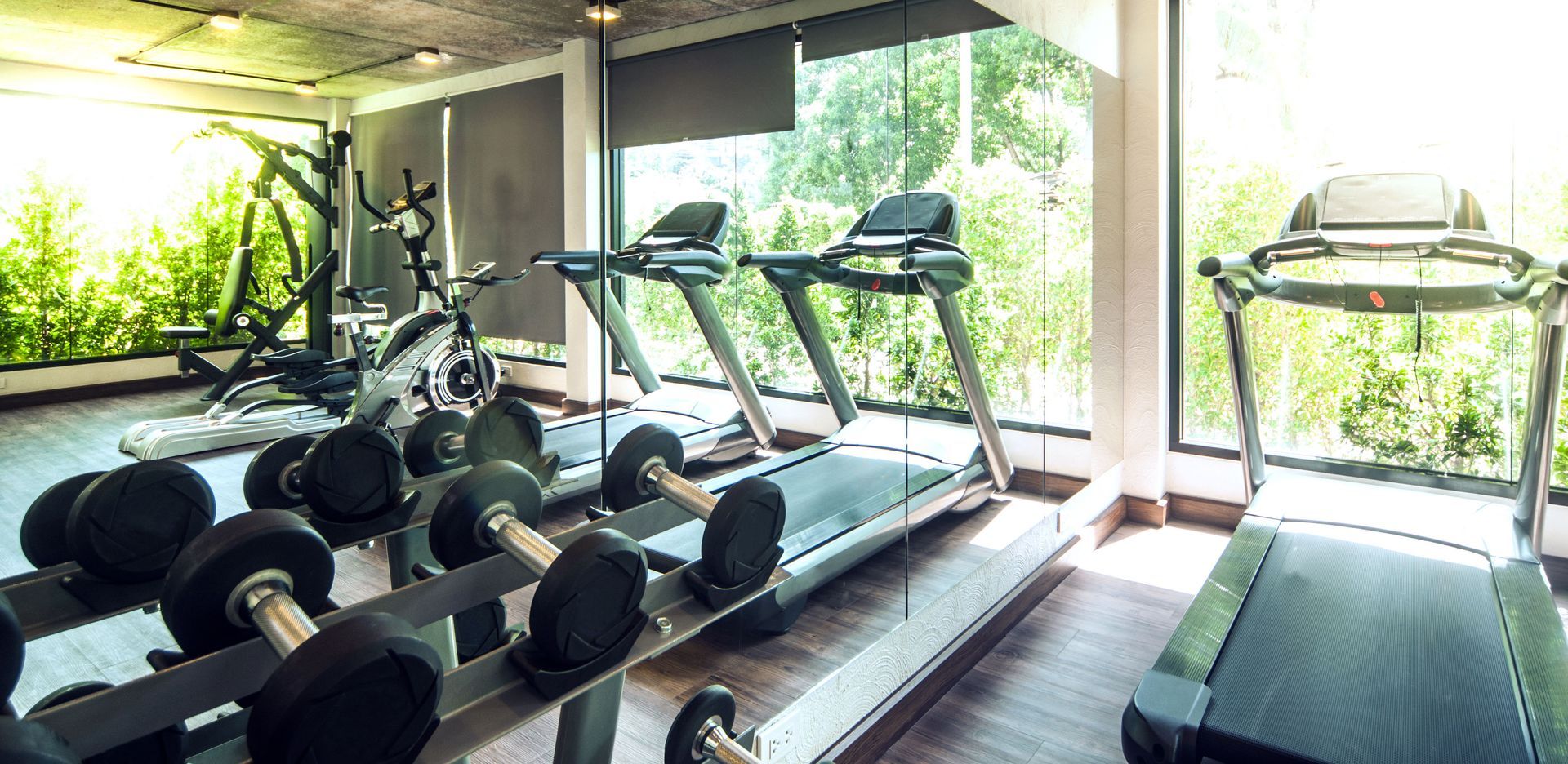
Fitness has become an increasingly important part of modern life, with more people recognizing the value of regular exercise, strength training, and healthy lifestyle habits. Whether someone wants to improve cardiovascular health, build muscle, manage stress, or simply feel more energetic, getting started with fitness offers opportunities to improve overall well-being. As interest in exercise grows, so does the demand for accessible workout options, practical training advice, and reliable gym equipment.
According to the Health & Fitness Association, 82 million Americans plan to spend $60 billion in support of their health, exercise, and fitness goals. This level of interest highlights the opportunities emerging throughout the fitness industry and demonstrates why now is an exciting time to begin a personal fitness journey.
Why Is Fitness Becoming So Popular?
Several factors have contributed to the growing popularity of fitness. Greater awareness of the relationship between physical activity and long-term health has encouraged people to make exercise a more consistent part of their routines. Regular physical activity can support cardiovascular health, strengthen muscles and bones, improve mobility, and contribute to better mental well-being. For many individuals, exercise also provides a welcome opportunity to manage everyday stress and establish a healthier daily rhythm.
Convenience has played an important role, too. Fitness no longer has to revolve around commuting to a traditional gym at a specific time. Home workouts, outdoor activities, digital training programs, and flexible gym memberships allow people to exercise according to their schedules and preferences. Someone with limited time can complete a short strength session at home, while another person might prefer group classes or a fully equipped fitness facility.
Social media and online fitness communities have also made workout ideas more accessible. Beginners can explore exercise demonstrations, discover new training approaches, and connect with others pursuing similar goals. Although online advice should be evaluated carefully, these resources can help people discover activities they enjoy and maintain motivation.
What Are the Essential Pieces of Gym Equipment?
Choosing the right equipment starts with understanding the types of exercise a person wants to perform. Strength training, cardiovascular exercise, flexibility work, and balance training each serve different purposes, so a useful collection should reflect individual goals rather than simply include the largest number of products.
For strength training, dumbbells are among the most versatile options. They support exercises such as curls, shoulder presses, rows, lunges, and squats, allowing users to train multiple muscle groups with relatively little space. Adjustable dumbbells can be especially useful for home workouts because they offer several resistance levels without requiring a separate pair for every weight.
Resistance bands provide another accessible option. They are lightweight, portable, and suitable for exercises that challenge the upper body, lower body, and core. Bands can also help beginners learn movement patterns before progressing to heavier resistance. A stable exercise mat adds comfort for floor exercises, stretching, and certain bodyweight movements.
Cardiovascular training equipment depends on available space and personal preferences. Treadmills support walking, jogging, and running, while stationary bikes offer a lower-impact alternative for improving endurance. Rowing machines combine cardiovascular exercise with resistance, engaging several major muscle groups during each session. However, walking outdoors, climbing stairs, or following a dance workout can provide cardiovascular benefits without purchasing a machine.
How to Choose the Right Gym Equipment for Your Home
Setting up a home workout space begins with evaluating personal goals, available room, and budget. A person hoping to improve general fitness will have different needs from someone training for competitive powerlifting or preparing for a long-distance race. Defining those objectives first makes it easier to prioritize purchases and avoid spending money on equipment that rarely gets used.
Space is an important consideration. Someone living in a small apartment might benefit from adjustable dumbbells, resistance bands, and a folding exercise bench. These items can support a surprisingly broad range of workouts without permanently occupying valuable floor space. Those with a dedicated basement or garage gym can explore larger machines, racks, and cardio equipment as their routines develop.
Budget matters just as much. Building a home gym does not require purchasing everything at once. Starting with a few versatile essentials allows beginners to establish consistent habits before deciding which additional purchases would genuinely improve their workouts. Comparing construction quality, weight limits, warranties, and maintenance requirements can also help buyers identify lasting value rather than focusing exclusively on the lowest price.
When evaluating gym equipment, consider how easily each item fits into a realistic weekly routine. A treadmill might make sense for someone who enjoys walking indoors, while a set of adjustable weights could better serve someone interested in strength training. Choosing products that match personal preferences increases the likelihood that they will become regular parts of an exercise routine.
What Are the Benefits of Using Gym Equipment Correctly?
Using exercise equipment correctly can make workouts more effective, comfortable, and consistent. Proper technique helps individuals target the intended muscles, maintain control throughout each movement, and reduce unnecessary strain. Learning the correct setup and movement pattern is particularly important for beginners who may not yet recognize when their form begins to deteriorate.
Resistance training offers several benefits when performed consistently. Gradually increasing resistance can help build muscular strength and endurance, while weight-bearing activities can support bone health. Cardiovascular machines provide another way to improve endurance, with adjustable speeds and resistance levels allowing users to progress according to their abilities.
Equipment can also make progress easier to measure. Recording the weight lifted, repetitions completed, distance covered, or duration of a workout provides concrete information about performance. These measurements can help people recognize improvements that might otherwise go unnoticed and adjust their routines when necessary.
What Trends Are Shaping the Future of Fitness?
Technology continues to influence how people exercise, monitor progress, and interact with fitness professionals. Wearable devices can track activity levels, heart rate, and other measurements, giving users additional information about their daily habits. Connected exercise machines and digital training platforms also make guided workouts more accessible, particularly for people who prefer exercising at home.
Personalization is another important development. Rather than following a generic program, individuals increasingly seek training plans that reflect their goals, preferences, abilities, and schedules. Digital platforms can offer structured routines, while qualified fitness professionals can provide individualized feedback and help users adapt their training over time.
Strength training, mobility, and functional fitness are also attracting attention as people pursue a broader range of health goals. Many exercisers want more than improved appearance; they want to maintain independence, move comfortably, and remain active as they age. This emphasis encourages balanced programs incorporating resistance exercises, cardiovascular activity, flexibility, and recovery.
Accessibility and convenience are shaping equipment design as well. Compact machines, adjustable weights, and multifunctional training systems help users make better use of limited space. Meanwhile, traditional fitness centers continue to offer advantages that home workouts cannot always replicate, including extensive equipment selections, professional instruction, and opportunities for social interaction.
The growing popularity of fitness reflects a broader recognition that regular physical activity can support physical health, mental well-being, and quality of life. With more people investing in their fitness goals, beginners have an expanding range of opportunities to find an exercise approach that suits their needs.
Getting started does not require an elaborate workout space or an expensive collection of machines. By establishing realistic goals, selecting appropriate equipment, learning proper techniques, and building consistent habits, individuals can create routines that develop alongside their abilities. If you're looking for
gym equipment, reach out to Fitness Concepts today!